
Posted by BeautyWorks on 23rd Mar 2026
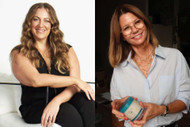
Hair Growth Unlocked: Q&A with Simone Abaron & Monique McMahon
Q: Hair fall can feel completely random. As a trichologist and naturopath, what are the most common root causes you see behind general shedding and sudden hair thinning at the crown?
Simone: Shedding rarely just happens out of nowhere. There's almost always a trigger. In most cases, it comes back to one of three things. Hormonal shifts are one of the biggest culprits; fluctuations in androgens, thyroid hormones, or postpartum changes can shorten the hair growth phase before you've even noticed anything. Nutritional deficiencies are another major factor. Low iron, vitamin D, zinc, or not enough protein in the diet can quietly push follicles into shedding mode. And then there are environmental stressors including UV exposure, pollution, scalp inflammation, and product buildup that can all disrupt the follicle and increase hair fall.
Q: Hormonal shifts often show up in our hair first. What is happening biologically during postpartum hair loss, or perimenopause and menopause hair thinning?
Simone: Hair follicles are incredibly responsive to hormonal changes, sometimes more so than any other part of the body. Postpartum shedding happens when oestrogen drops after pregnancy, which pushes a large number of hairs into the shedding phase at the same time. It can feel sudden and dramatic, but it's a normal biological response. During perimenopause and menopause, it's a slower process. Declining oestrogen gradually shortens the growth cycle, which leads to finer, less dense hair over time.
Q: We know stress wreaks havoc on the body, but how exactly does a spike in cortisol disrupt the hair growth cycle and trigger sudden stress hair loss?
Simone: Hair follicles are genuinely sensitive to stress hormones. When cortisol spikes, whether from physical or emotional stress, the body essentially redirects its resources away from non-essential functions, and hair growth falls into that category. A large number of follicles can shift out of the active growth phase and into a resting phase at the same time. The catch is that you won't see it straight away. Those hairs shed around two to three months later in what's known as telogen effluvium, which is why the connection to the original stressor isn't always obvious.
Q: How do UV exposure, saltwater, and chlorine impact the scalp barrier and hair fibre, and can repeated exposure accelerate thinning?
Simone: Each one causes a different type of damage, but the cumulative effect can be significant. UV radiation creates oxidative stress that weakens keratin and damages the scalp barrier. Saltwater dehydrates the hair fibre and lifts the cuticle, making it much more prone to breakage. Chlorine strips the protective lipid layer from both the scalp and the hair shaft. On their own, occasional exposure is manageable, but repeated and combined, they increase dryness, breakage, and scalp irritation. For anyone already prone to thinning, that chronic scalp inflammation can genuinely accelerate the process.
Q: Hair loss isn’t the same for men and women. How do the patterns, underlying causes, and treatment approaches differ?
Simone: The patterns are quite different. Men typically see a receding hairline and crown thinning, which is largely driven by sensitivity to DHT. Women tend to experience more diffuse thinning through the part and crown, usually keeping the frontal hairline intact. That said, many of the underlying biological processes are shared. Supporting follicle health, extending the growth phase, improving scalp circulation, and addressing nutritional gaps are all relevant regardless of gender. That's where both internal and topical support can work really well together, creating the right conditions for stronger growth and less shedding.
Q: From a nutrition standpoint, which deficiencies most commonly contribute to shedding or reduced density?
Simone: The most common deficiencies linked to hair shedding include: iron, particularly low ferritin levels, protein, essential for keratin production, as well as zinc and B vitamins, which support follicle metabolism. Correcting these deficiencies often improves shedding and overall hair density.
Q: Australia’s hot summers and dry winters can be harsh. How do seasonal changes affect the scalp microbiome and inflammation levels?
Simone: Seasonal changes influence oil production and microbial balance. Hot weather increases sweat and sebum, which can encourage yeast growth and scalp irritation. Dry winter air reduces moisture in the scalp barrier, leading to flaking and sensitivity. Both situations can increase inflammation around the follicle, which affects healthy hair growth.
Q: For active people who sweat and train frequently, does scalp inflammation or poor circulation influence hair growth cycles?
Simone: Yes, both matter. Exercise increases blood flow, which supports nutrient delivery to the follicle. The issue arises when sweat, salt, and product buildup stay on the scalp for long periods. This can irritate the follicle and increase inflammation. Regular cleansing and scalp care help maintain a healthy growth environment.
Q: When people look for the best hair supplements, which specific botanicals, vitamins, or peptides actually have clinical backing to stop breakage, shedding and encourage growth and thickness?
Simone: Several nutrients have solid clinical research behind them and these usually fall into 3 categories: Follicle nutrition, structural health and growth cycle regulation. Nutrients such as iron, biotin, zinc and specific amino acids help support healthy follicle function and keratin production, both of which are essential for strong, growing hair. Certain botanical extracts and bioactive compounds including horsetail and betacarotene support follicle activity and improve the environment around the hair root. Finally, collagen-supporting nutrients such as ascorbic acid (vitamin C) help strengthen the connective tissue that supports the follicle, contributing to thicker, more resilient hair.
Q: If someone starts noticing thinning or shedding, what does an effective, daily scalp care routine for hair growth look like?
Simone: A holistic approach addresses both internal and external factors. Start by reviewing nutrition, iron levels, B vitamins, protein intake, and hormonal health. Support the scalp with regular cleansing and exfoliation to reduce inflammation and buildup. Introduce a targeted scalp treatment such as Mane Event Elixir® to stimulate follicle activity, extend the growth phase and support thicker, stronger hair with less shedding. Healthy hair growth depends on supporting both follicle health and hair strand protection from the inside out.
Q: The BeautyWorks The Scalp Health Edit bundle is built on a 3-step framework, ingestible support (Apotecari Mane Event® capsules), regular scalp exfoliation (Christophe Robin Cleansing Purifying Scalp Scrub), and a targeted topical serum (Apotecari Mane Event Elixir®). Can you explain how this specific combination works as a holistic treatment programme and why it’s such an effective way to restore density?
Simone: The Scalp Health Edit bundle was designed around one principle: that the right steps, in the right order, produce results that no single product can match. Think of the first two steps as preparation. Ingestible support fills the internal nutritional gaps that affect follicle health. Scalp exfoliation clears buildup, calms inflammation, and rebalances the scalp environment. Both prime the scalp for what comes next. Then Mane Event Elixir® goes to work, delivering targeted actives directly to the follicle with nothing in the way.
Q: What is a realistic timeline for seeing less shedding, and when do the new baby hairs actually start to appear once you begin a holistic hair care routine like this?
Simone: With a layered approach, supporting the follicle from within through targeted nutrition, stimulating the scalp with a topical serum, and maintaining a healthy scalp environment with regular exfoliation, many people begin to notice less shedding within a few weeks. Visible signs of new growth, such as baby hairs along the hairline or part, typically begin to appear around 8–12 weeks, which aligns with the natural hair growth cycle.
Hair Loss Q+A with Monique McMahon, Colourist and Christophe Robin Global Pro Ambassador
Q: What subtle signs of thinning or scalp distress do you spot in the salon before it becomes obvious to the client at home?
Monique: A change in hair texture is one of the subtle signs of scalp distress or thinning hair that I've noticed happening for my clients in my chair. The texture becomes a little more brittle, it lacks shine and it feels more textured than usual. It can often feel less dense
I mostly see this around the temples, through the crown area, and in the hairline through the parting. Hair breakage usually happens along the hair shaft, whether it be close to the root or closer to the ends.
Q: When it comes to hair breakage versus hair loss, how do clients usually describe it, and what patterns do you see when you look behind the chair?
Monique: Hair fall happens directly at the scalp and leaves hair feeling a lot thinner. You can really notice a difference in density with hair loss, whereas with hair breakage, you can still have good, thick hair but it may not be as thick through the midbands and ends.
Clients have difficulty telling the difference between the two. I'm often asked, “Is this like hair loss or breakage”
From behind the chair, I can determine the difference by looking closely at the scalp to see how close the hair follicles are. If they're more sparse than usual, with more space between each follicle, that indicates hair fall or hair loss. If hair growth is still looking dense, then we’re looking at hair snapping or falling from halfway down the hair shaft – indicating a breakage issue.
Breakage can be triggered from many things. It can come from over-styling, the hair colouring process, it can come from friction from your hairbands, wearing a cycle helmet, brushing your hair when it's wet and fragile, a rough pillowcase. Any sort of regular friction can cause snapping and breakage.
Q: You are a massive advocate for hair health being the foundation of great colour. How does a neglected or inflamed scalp actually impact the way hair holds colour and shine over time?
Monique: If the hair and scalp are not in the healthiest state, it's going to be tricky for it to hold colour and impossible for it to reflect light and create that beautiful glossy, shiny finish you want.
The scalp is a really great indicator for hair health. Sometimes if hair is regularly blow-dried or styled, it's hard to assess its true health. By looking at the scalp, we can get a much truer sense of overall healthiness. Any oiliness, dryness or flakiness or any irritation or redness is a big sign of a scalp issue, and hair fall may be the next symptom. In these situations, I'll always minimise the amount of colour we do or change the direction slightly to achieve that glossy shiny healthy finish but still tick the boxes that we want with our hair colour.
Q: We are seeing a huge shift toward the "Skinification of Hair." From an educator’s perspective, why should we be treating our scalp and hair with the same level of care and active ingredients as our face?
Monique: Our scalp is an extension of our skin – it’s just covered by hair! It needs to be looked after with the same level of care we take with our face and body.
Just as our skin needs light exfoliation, consistent hydration and moisture with regular massage, so does our scalp. Stimulating the scalp with regular detox treatments, brushing and massage will promote healthy hair growth – and healthy hair, full stop.
Q: For your clients who are committed to "lived-in colour," what is the one non-negotiable step they should be doing at home to ensure their hair stays thick and resilient between salon visits?
Monique: The lived-in colour look will always be a thing. I don't think it's going anywhere. What this natural looking colour technique does is stretch out your colour appointments, which is great, we love that. We want the hair to be as healthy as possible, but we also need it to look as gorgeous and polished as possible.
My tip for maintaining healthy hair and healthy colour is regular salon visits for salon treatments. These professional treatments bring back the hair’s natural elasticity and shine and bring back the life of your colour, without having fresh colour applied.
Q: Hair loss isn’t just physical. How do you see this affecting your clients’ confidence, and how do you reassure them?
Monique: The hair loss topic is a tough one. It really does affect my clients' confidence. I gently remind them that it's not forever, it's a moment that will pass. In the meantime, manage this time with treatments and at home care. Put your energy into caring for your scalp and strengthening hair with targeted shampoos and conditioners specially designed to fortify the hair shaft and scalp microbiome. This is where a hair supplement can really help too, as it treats the issue from the inside. I love Simone Aparon’s Apotecari range, she is an incredible naturopath and certified trichologist. Her products are amazing quality and they work.
The hair growth cycle generally is around every seven years. Sometimes menopause or perimenopause can come into play within the cycle.
Q: Do chemical colour processes, bleaching and heat styling really make hair fall out, or is it more about breakage? What’s your advice for keeping hair strong while still getting the look?
Monique: Remember that chemical hair colour and any sort of styling isn't going to be the sole reason you're experiencing hair fall, your inner health and scalp health are a strong influencing factor.
Yes, if you go too heavy or too hard with colour and styling, you may get breakage but hair falling from the scalp is coming from a different world altogether. It's coming from a scalp that needs to be hydrated, moisturised, cleansed or it's coming from a place of hormones, imbalanced blood levels.
Hair breakage may be if you're going too heavy-handed with your colour application and hot tool use while hair fall is triggered from within or from the scalp.
Q: Why is a purifying product like the Christophe Robin Scalp Scrub so crucial for a healthy scalp microbiome, especially for clients dealing with colour build-up or flakes?
Monique: The Christophe Robin’s Purifying Scrub with sea salt is a must for any scalp that feels inflamed or irritated, or you're suffering from any hair fall. I love this product; it's a bestseller for a reason.